$ whoami
Robotics Engineer & Computer Vision Researcher
M.S. in Robotics from UC Riverside, specializing in SLAM, computer vision, and autonomous systems. I take research ideas all the way to shipped, production code — from drone-based 3D reconstruction to real-time, GPU-accelerated perception pipelines.
● tracking · pose locked
I graduated with a Master's degree in Robotics from the University of California, Riverside, where I specialized in computer vision, SLAM (Simultaneous Localization and Mapping), and autonomous systems. My thesis, Celesta, is a fully differentiable optimization framework that integrates distributed bundle adjustment with Leiden-based graph partitioning for scalable, GPU-accelerated visual SLAM using NVIDIA Thrust.
Previously, I worked as a Data Scientist at Jio Platforms Ltd., where I developed and shipped computer vision solutions for drone-based tower reconstruction using SLAM. I contributed to video analytics for surveillance and visual document understanding, delivering production-ready pipelines from prototype to deployment.
My technical toolkit spans C++, Python, MATLAB, and ROS, with hands-on experience in GPU programming (CUDA) and NVIDIA platforms. I care about writing maintainable, performant code and bringing research ideas into deployed systems — and I'm always chasing the next hard problem in robotics and AI.
Robotics Degree
Years Experience
Research Projects
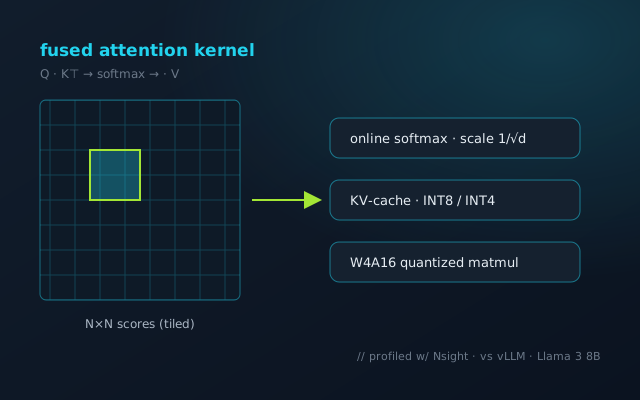
Custom CUDA kernels for LLM inference — fused FlashAttention-style attention, INT8/INT4 KV-cache compression, and W4A16 quantized matmul — profiled with Nsight and benchmarked against PyTorch, vLLM, and FlashAttention on Llama 3 8B.
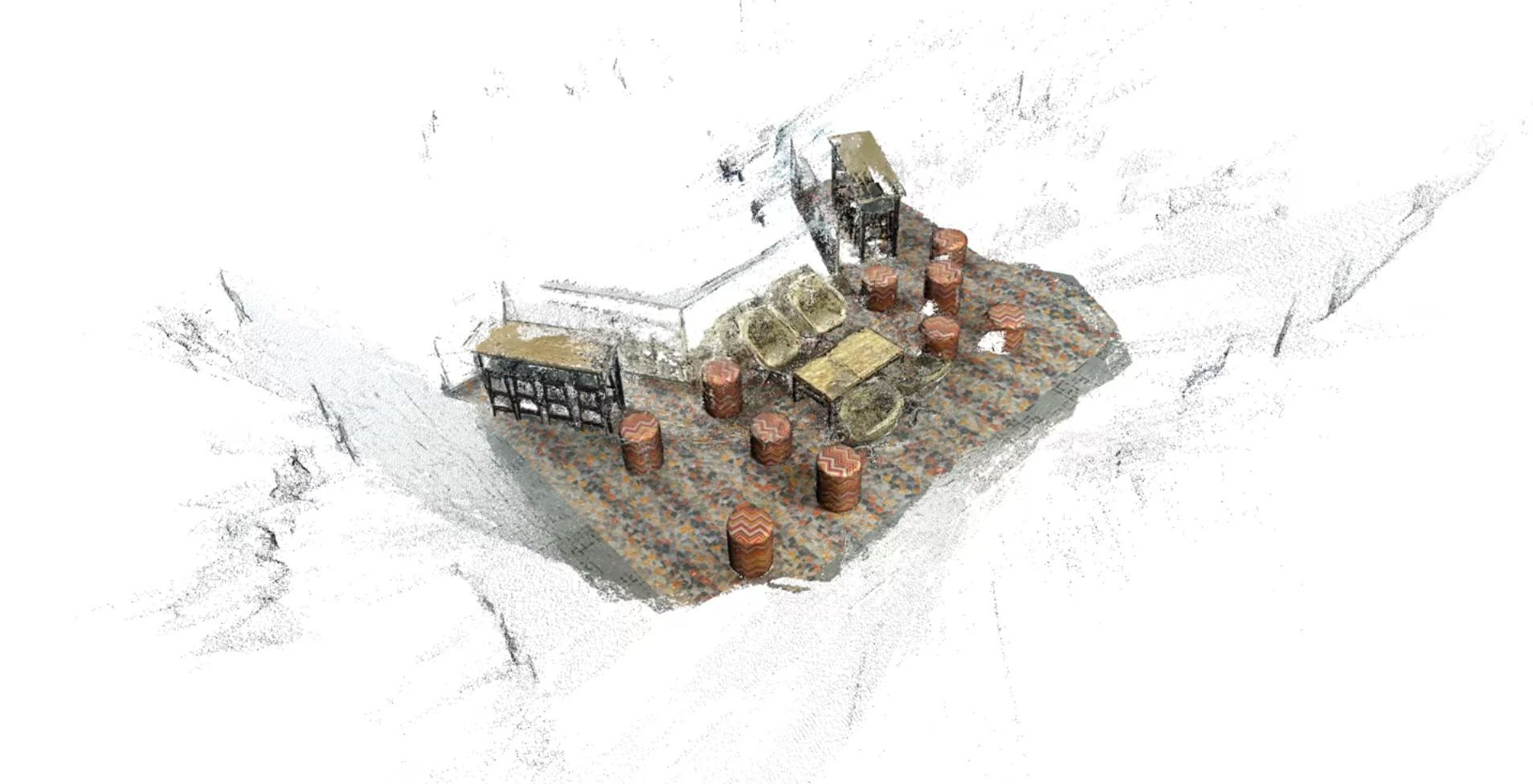
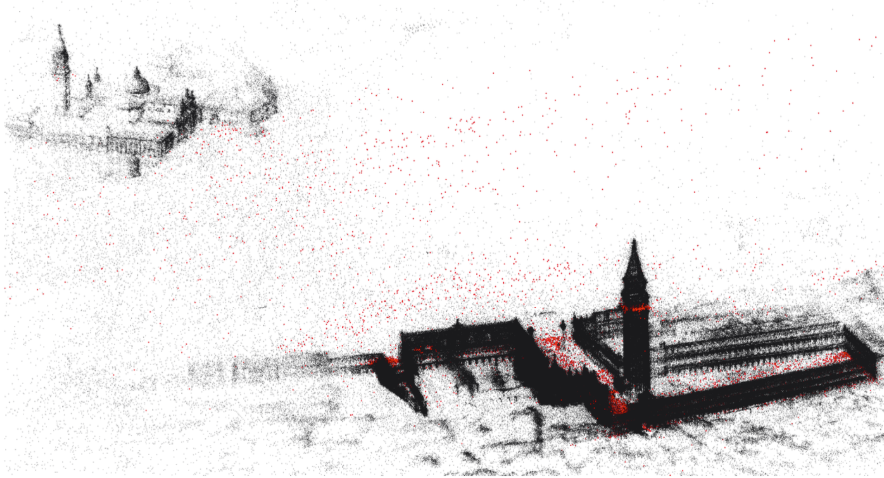
Helper repository to visualize dense 3D reconstructions from SLAM and structure-from-motion pipelines.
Dockerized demo of Celesta — distributed, GPU-accelerated bundle adjustment built on Facebook's DABA with improved load balancing across GPUs. Explore the repository for implementation details and usage.
GPU-accelerated bundle adjustment for structure-from-motion and SLAM using CUDA for real-time optimization.
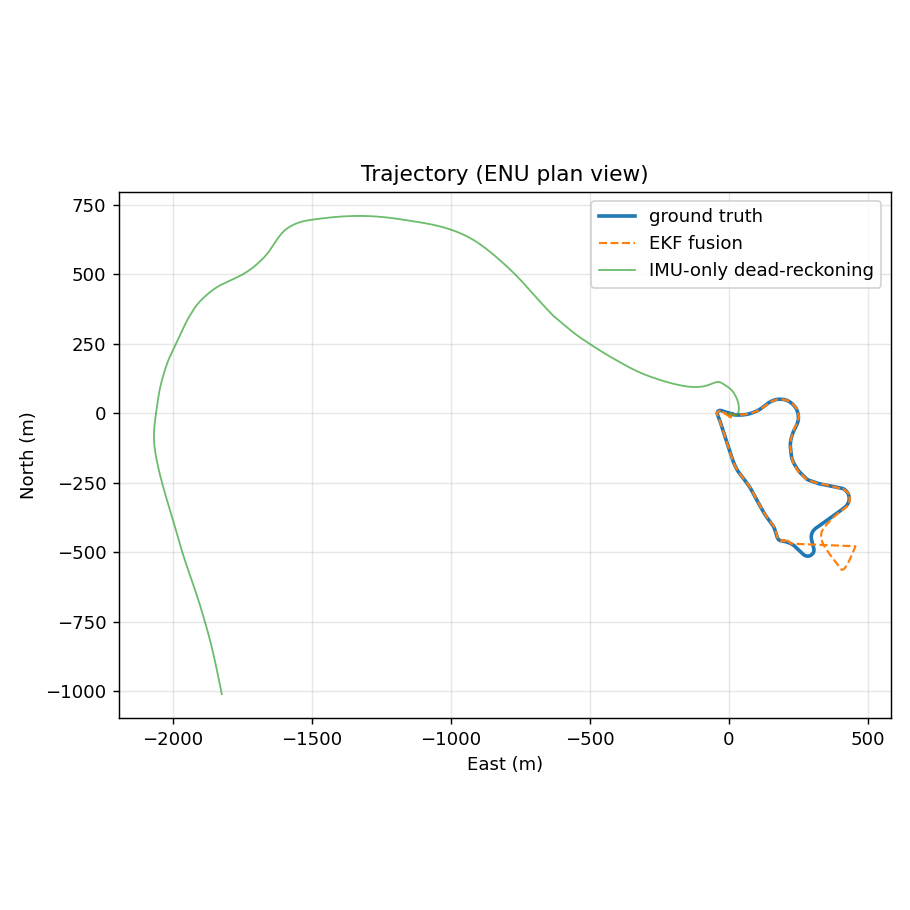
A loosely-coupled 15-state Extended Kalman Filter fusing GNSS position fixes with inertial measurements on the KITTI raw dataset, including a GPS-dropout dead-reckoning demo. Implemented in NumPy/SciPy.
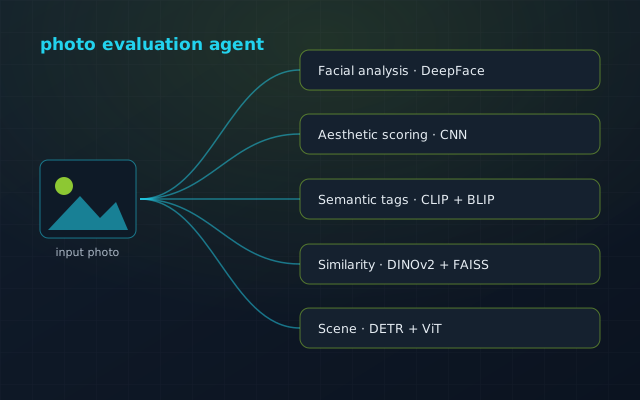
A computer-vision agent that analyzes photos end-to-end — facial analysis, aesthetic scoring, CLIP/BLIP semantic tagging, DINOv2 + FAISS similarity search, and DETR/ViT scene understanding.
Vehicle-to-vehicle communication systems for intelligent collaborative driving. Autonomous vehicles in CARLA simulation with multi-agent coordination.
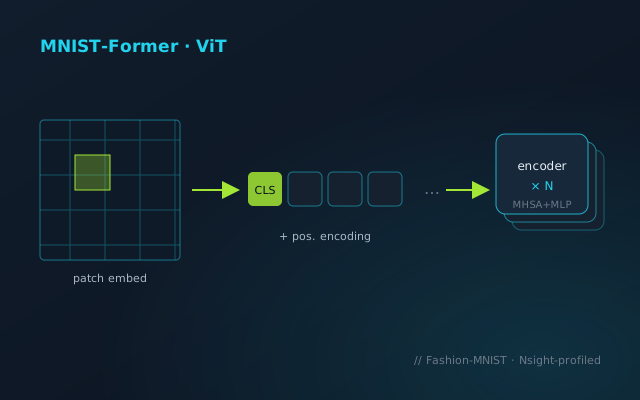
A compact Vision Transformer trained on Fashion-MNIST, with training and inference separated from visualization and optional Nsight profiling hooks for GPU timeline analysis.
Bayesian drift modeling and analysis for semiconductor applications. Jupyter-based workflows for inference and visualization.
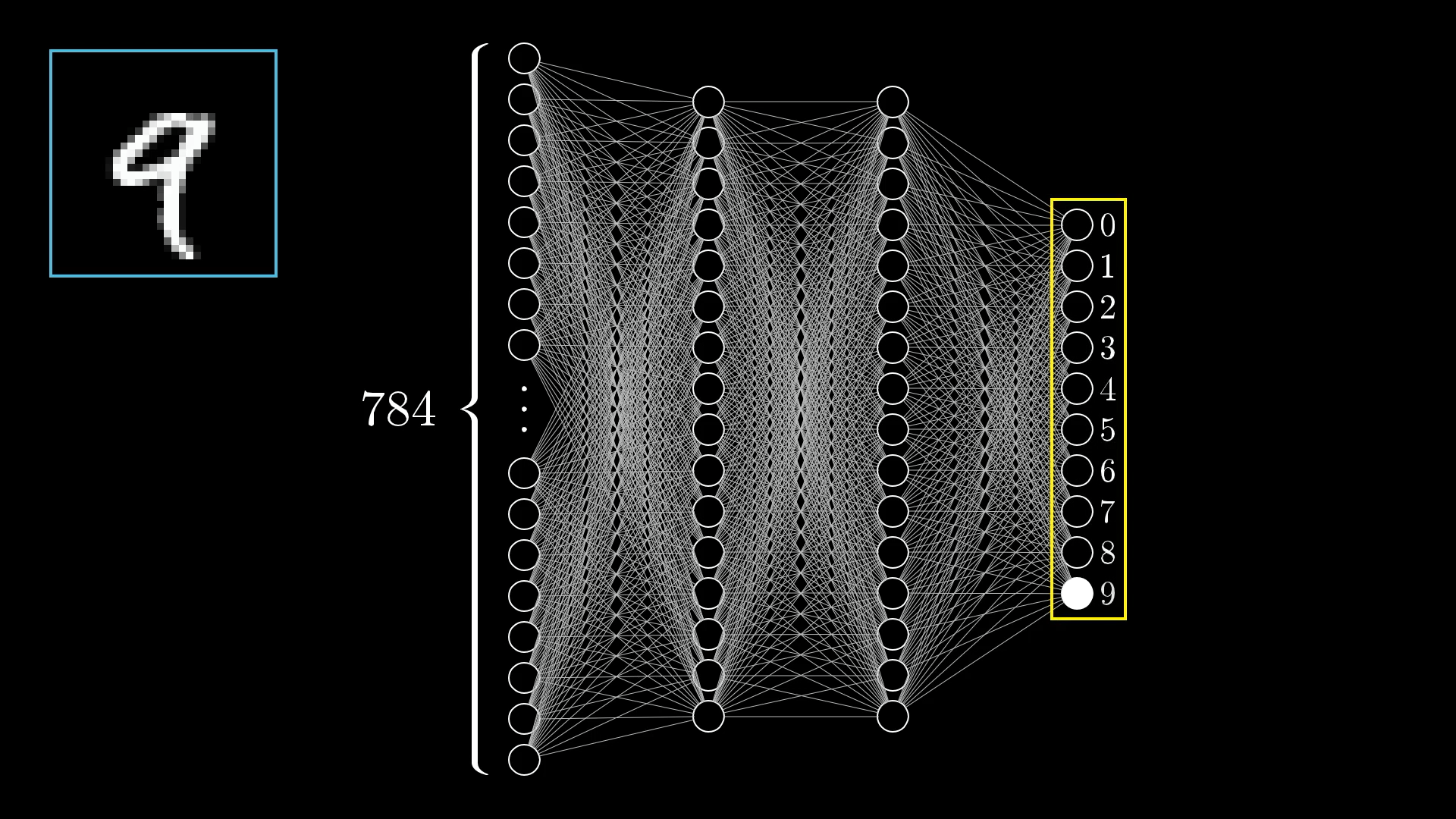
A fun project implementing a simple neural network in CUDA for MNIST digit classification, written in C++ with GPU acceleration.
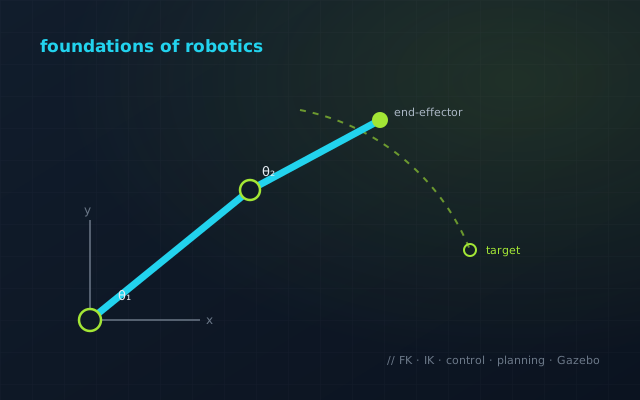
A ROS playground for forward/inverse kinematics, open- and closed-loop control, and 2D path planning, visualized in Gazebo. From UC Riverside's EE283A (Foundations of Robotics).
A fully differentiable optimization framework that integrates Distributed Accelerated Bundle Adjustment (DABA) with the Leiden algorithm for improved graph partitioning in visual SLAM. Implemented with NVIDIA Thrust, Celesta achieves scalable, GPU-accelerated bundle adjustment with balanced workloads and better convergence than Louvain-based partitioning. Master's thesis, UC Riverside.
Download thesis (PDF)
ROS
MATLAB ®
PyTorch
OpenCV
TensorFlow
I'm always interested in new opportunities and exciting problems in robotics, perception, and AI. Whether you have a question or just want to say hi, feel free to reach out.